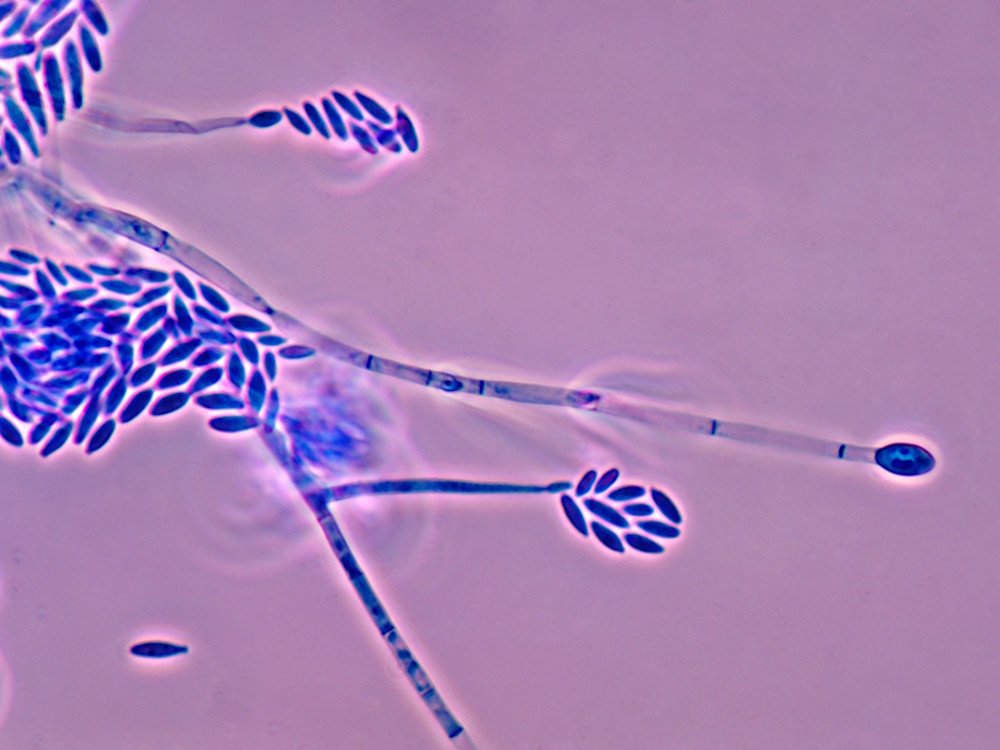

Plant pathogens belonging to the fungal species Fusarium are of great importance to continued food production in the world. They are well known to cause diseases of important staple food crops such as maize, wheat, sorghum, rice and bananas, and in some instances produce mycotoxins that can be fatal to humans and animals. Many diseases caused by Fusarium spp. and their toxins cannot be treated, and have to be prevented.
The programme on Fusarium diseases of agricultural crops, therefore, focuses on the characterisation and management of Fusarium spp. associated with Fusarium wilt and mycotoxin production in staple food crops, specifically related to the identification and characterisation of Fusarium spp. using conventional and molecular techniques, quantitative detection of Fusarium spp. and their mycotoxins, epidemiology and etiology of Fusarium spp., field management of Fusarium diseases and the mycotoxins they produce, biological control of pathogenic Fusarium isolates, and understanding the interaction of plants with Fusarium.