
Trunk diseases
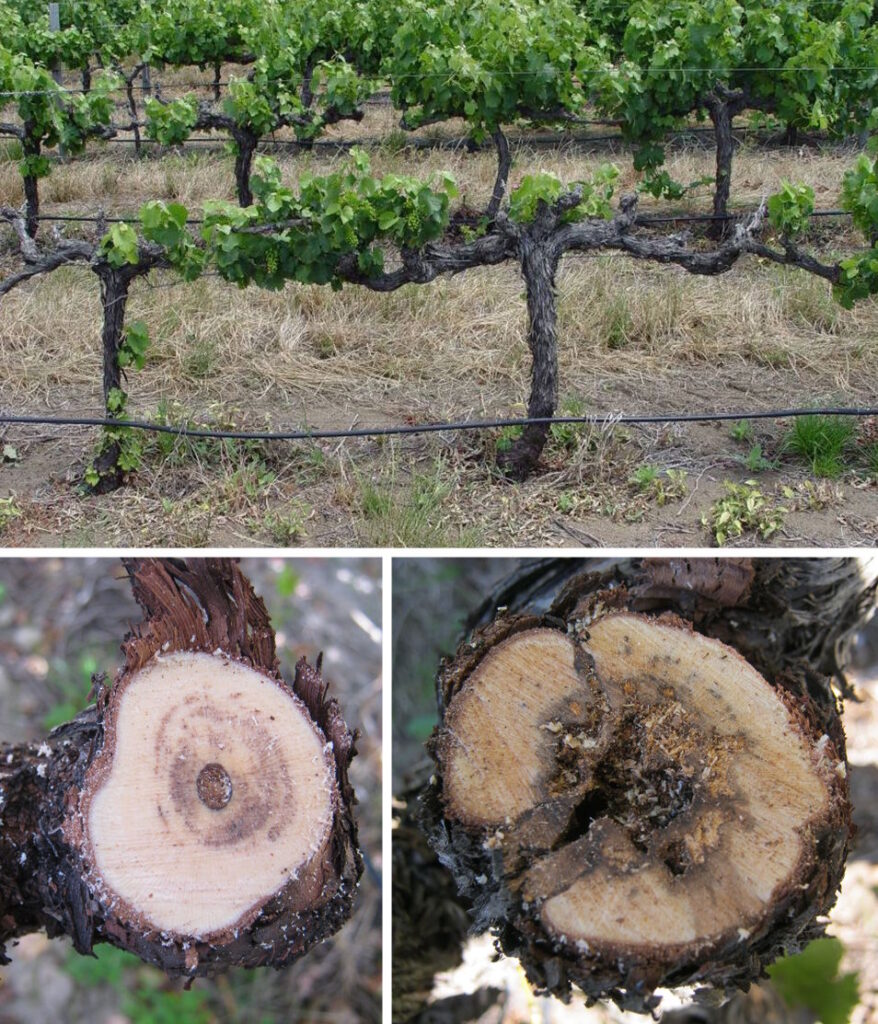
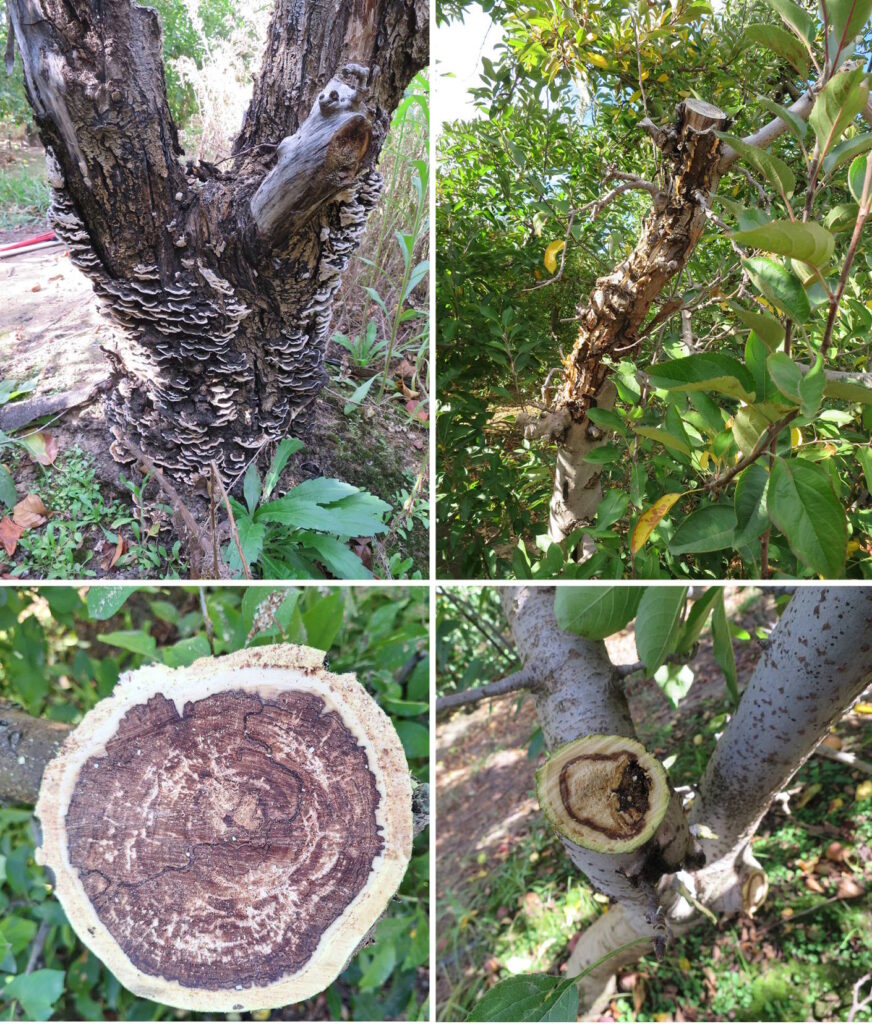
Trunk diseases of grapevines and fruit trees cause cankers and dieback and have an economic impact on production causing yield losses. Research focusses on the etiology, epidemiology and management of fungal trunk diseases of grapevine, pome and stone fruit trees, olive trees and other tree hosts. As phytomycologist, a major focus of my research includes the characterization of fungal pathogens. Fungal groups associated with different trunk diseases, including the Basidiomycetes, Botryosphaeriaceae, Diaporthaceae, Diatrypaceae, Didymellaceae, Nectriaceaeand Togniniaceae have been investigated in various projects and woody hosts.
Biocontrol
The biological control of plant diseases is important in providing an alternative to chemical control. Environmental concerns, loss of chemistry and export market requirements have caused a greater emphasis on the development of effective biocontrol alternatives to fungicides. The biocontrol research focuses on the use of Trichoderma species in the control of trunk diseases and other grapevine diseases. Other fungal or bacterial species are also investigated for their potential in biocontrol. Various aspects have been researched to understand the mechanisms involved, optimise the application and improve field efficacy.
Grapevine pathology
Together with Drs. Minette Havenga and Beatrix Coetzee at Infruitec-Nietvoorbij Agricultural Research Council and Prof. Francois Halleen (Villa Crop) we are investigating various diseases of grapevine. These include powdery mildew, anthracnose and also leafroll. For the viral disease, leafroll, a new field of disease diagnosis using images of symptoms and artificial intelligence have been delved into. A large image database was established and used to develop neural network-based models which will allow for diagnosis of leafroll using an application on a smart phone.